
Talk to a Punjabi speaking therapist
Some things are easier to say in the language you argue, joke and pray in. Talk to a warm, qualified counsellor in Punjabi, with no translating your feelings and no explaining your family. Online, private, and available wherever you are in the world.
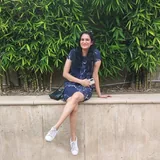
If you have been searching for a Punjabi speaking therapist, a Punjabi speaking counsellor, or a Punjabi speaking psychologist, this is the right place. My name is Shagoon Maurya. I am a registered counsellor and psychotherapist with over ten years of experience, ACA Level 2 and PACFA registered, and I work in Punjabi with people all over the world.
Sessions run in Punjabi, in English, or in the mix of both that most of us actually speak. Punjabi from either side of the border is the same in the room. Whether your family reads Gurmukhi or Shahmukhi, and whether home was Ludhiana, Lahore, Brampton or Southall, none of it needs explaining first.
Many people search for a psychologist when what they want is someone qualified who will understand them without translation. what each professional title actually means.
Chardi kala, and what it costs to hold it up
Chardi kala is one of the more beautiful ideas any culture has produced: a state of relentless high spirit, facing whatever comes without being flattened by it. For a lot of the people I work with it is a genuine source of strength, and I would not want to talk anyone out of it.
The difficulty is what happens when it stops being an aspiration and becomes an instruction. Told often enough that you must stay in chardi kala, low mood starts to feel like a failure of spirit rather than a condition. People conclude that struggling means their faith is thin or their character is weak, and that conclusion is what delays help, often by years.
It is worth separating the two. Chardi kala is about not being defeated by hardship. It was never a claim that hardship does not happen, and it does not require you to perform being fine at a wedding when you have not slept properly in four months.
A good deal of early work with Punjabi clients is simply giving permission to say the thing out loud once, without it meaning anything about who they are.
The drinking that nobody calls drinking
This comes up more than any other single subject, and almost never as the presenting problem.
Alcohol runs through Punjabi family life in a way that makes it very hard to name, and it is a common reason people book without telling anyone at home. It is at every wedding, every party, every visit. A man who drinks heavily every evening is described as someone who enjoys himself. The word alcoholic is reserved for someone unrecognisably worse, which means the actual pattern in front of everyone never gets a name at all.
So what arrives in session is usually indirect. A wife exhausted by managing evenings. An adult child who grew up reading a father's mood from the sound of the car. Someone who has quietly noticed how much they need a drink before a family function and has told nobody.
You can bring any of that here without a diagnosis being handed to anyone, and without it becoming a conversation about the whole community. Where it is your own drinking, that is workable. Where it is someone else's and you cannot change them, the work is about what that has cost you and what you actually control, which is more than it feels like.
When the family sold land to send you
Punjabi migration has a particular shape, and it produces a particular kind of pressure.
Frequently there is a transaction behind it: acres sold, gold pledged, an agent paid, a loan taken from people who will be at the next wedding. A son or daughter is sent to Canada, Australia, the UK or Italy carrying an investment rather than an opportunity. Everyone involved knows the number.
What follows is a specific trap. You cannot say the job is not what you were promised, that the course was mis-sold, that you are working nights and studying badly, or that you are lonely in a way you did not know was possible. Saying it would mean the sacrifice was wasted, so instead people send money home, post photographs, and manage the whole thing alone.
Students carry the sharpest version of this. So do people whose immigration status has been uncertain for years, where the inability to plan more than a few months ahead is genuinely wearing rather than merely inconvenient. That sits close to the wider work on rebuilding after a move, and the loss underneath it is often closer to grief for a context in which you made sense than to homesickness.
What gets carried without being discussed
Punjabi families are not short of history, and a good deal of it is held rather than spoken.
Partition cut the region in half and almost every older family has something in it that was never described to the children. For Sikh families, 1984 sits in the same place: present in the house, rarely narrated, and often surfacing sideways in a grandparent's sleep or a parent's reaction to something on the news.
I am not going to ask you to excavate any of that, and I would be sceptical of a therapist who arrived determined to. What matters clinically is more modest. Sometimes a reaction that seems out of proportion in the present belongs to something that happened before you were born, and recognising that changes how it feels to have it. Where there are intrusive images or a startle response that has always been there, that is trauma-focused territory and worth treating as such.
Seva runs one way
The habit of service is a real strength and it produces a recognisable difficulty: people who are constantly useful to everyone and have nowhere to take anything themselves.
The person who organises every family event. The daughter-in-law who is never off duty. The one everybody rings, who rings nobody. Being needed is a comfortable position and it is not the same as being supported, and the gap usually only becomes visible when something goes wrong and there is no one to tell.
Therapy is unbalanced by design, and for people who have spent their lives on the giving side that is an unfamiliar experience. Most find it uncomfortable for about two sessions. It is also, frequently, the point.
What people usually bring
Almost never the thing named first. The opening sentence tends to be fikar, or not sleeping, and the material underneath is more recognisable than people expect.
Marriage where the wider family is a permanent third party, and where in-law expectation is the actual subject. Daughters navigating what is expected of them against what they want, with no version that satisfies everyone. Men who have no template at all for saying they are struggling, and who have usually been managing it with work or with drink. Parents watching children grow up somewhere they themselves are still learning. And the ordinary things: anxiety, low mood, grief, a marriage in difficulty.
Privacy, in a community this connected
Punjabi communities abroad are close and well organised, which is a genuine asset and the exact reason people do not seek help locally. What travels through a sangat, a WhatsApp group or an extended family is not a secret for long, and it bears on marriage prospects and on a family's standing.
Sessions are online, so there is no building to be seen entering, no waiting room, and no local practitioner who may turn out to be someone's cousin or attend the same gurdwara. No letter goes to a GP, and nothing is passed to anyone without your say-so. If you would rather appear in my diary under a different name, say so and I will do it. People commonly take sessions from a parked car, from work, or at home with headphones when the house is empty, and none of that weakens the work. If keeping this from your family is part of what you need, the page on keeping it private is worth reading first.
How to start
A free 15-minute conversation, in Punjabi or English, whichever is easier. Use it to ask anything at all, including whether you think I am the right person, and say only as much as you want to.
Plenty of people find the talking itself hard even in Punjabi, and saying so is a perfectly good way to begin. There is more on making a start when talking is the hard part.
What I can help with
Anxiety and panic, low mood, sleep, self-esteem, marriage and in-law conflict, a family member's drinking, the weight of migration debt, and the identity questions that come with raising children in a country you arrived in. Whether Punjabi is the language you grew up in or one you are returning to, you are welcome here.
ਤੁਸੀਂ ਇਸ ਸਫ਼ਰ ਵਿੱਚ ਇਕੱਲੇ ਨਹੀਂ ਹੋ। You are not alone in this journey.
Punjabi speaking therapy: common questions
Yes. Sessions run in Punjabi, in English, or in the mix of both that most people actually speak. Punjabi from either side of the border is the same in the room. Whether your family reads Gurmukhi or Shahmukhi makes no difference to how we work.
No. Chardi kala is about facing hardship without being defeated by it, and getting help is not a defeat. What causes trouble is when it gets used to mean you should not admit to struggling at all. Several people I work with arrived believing that low mood was a failure of spirit. It is not, and treating it as one delays help by years.
Yes, and you would not be the first. Alcohol is woven through Punjabi family life in a way that makes it hard to raise, and a lot of people carry worry about a father, a husband or themselves with nowhere to put it. You can bring it here without a label being applied to anyone.
Entirely, with narrow exceptions where there is a serious risk to life or a court order, which I set out before you tell me anything. Nothing goes to your GP or anyone else unless you ask. Sessions are online, so there is no clinic, no waiting room and no local practitioner who might know your family or attend the same gurdwara.
Yes. Sessions are online worldwide over secure video and arranged around your time zone. Most of the Punjabi speaking people I work with are outside Punjab, across Canada, the UK, Australia, Italy and the Gulf.
I am a registered counsellor and psychotherapist with over ten years in counselling and psychotherapy, registered at ACA Level 2 and with PACFA, with post graduate study in counselling and psychotherapy at the University of Adelaide.
Let's talk, in Punjabi
Book a free, no-obligation 15-minute consultation and take the first step in your own language.
Book your free consult